
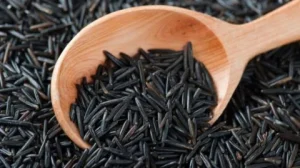
Kala Namak rice is one of India’s most ancient and aromatic rice varieties, deeply rooted in history, culture, and spirituality. Often referred to as “Buddha Rice” this unique rice holds a special place in the heritage of India, especially in the regions of eastern Uttar Pradesh and Nepal. But why exactly is Kala Namak rice called Buddha Rice? Let’s explore the fascinating story behind this name.
Historical Connection with Lord Buddha
The name “Buddha Rice” is strongly associated with Lord Gautama Buddha, the founder of Buddhism. According to historical and local folklore, Kala Namak rice was widely cultivated and consumed during the time of Lord Buddha, more than 2,500 years ago. It is believed that this rice was grown in the Terai region, where Lord Buddha spent much of his life teaching and meditating.
Legends say that Buddhist monks and disciples offered Kala Namak rice to Lord Buddha during his journeys. Because of its nourishing qualities, rich aroma, and simplicity, it became a staple food in Buddhist monasteries. Over time, people began calling it Buddha Rice in honor of this spiritual association. 🧘♂️
Sacred Aroma and Natural Purity
Kala Namak rice is famous for its distinct natural aroma, often compared to basmati but with a deeper, earthier fragrance. This aroma is believed to come from the rice’s high natural content of beneficial compounds. In ancient times, such fragrant foods were considered pure, sattvic, and suitable for meditation and spiritual practices.
Buddhist philosophy emphasizes simplicity, mindfulness, and purity in diet. Kala Namak rice perfectly aligned with these values, making it an ideal food for monks. This spiritual purity further strengthened its identity as Buddha Rice. ✨
Traditional Cultivation in Buddha’s Land
Kala Namak rice is traditionally grown in districts like Siddharth Nagar, Basti, Maharajganj, and Gorakhpur—areas closely linked to the life of Lord Buddha. These regions are historically known as part of Kapilvastu and Shravasti, major centers of Buddhism.
Farmers in these regions have preserved this rice variety for generations using traditional, chemical-free farming methods. Because of this deep geographical and cultural connection, the name Buddha Rice continues to be passed down through centuries. 🌱
Symbol of Heritage and Wellness
Beyond history, Kala Namak rice is valued today for its nutritional benefits. It is rich in iron, zinc, and antioxidants, making it a healthy choice for modern consumers. As awareness of ancient grains and wellness foods grows globally, Buddha Rice is gaining renewed popularity.
Calling Kala Namak rice “Buddha Rice” is not just about history—it symbolizes heritage, health, and harmony with nature. It reminds us of a time when food was deeply connected to spirituality and mindful living. 🌍