
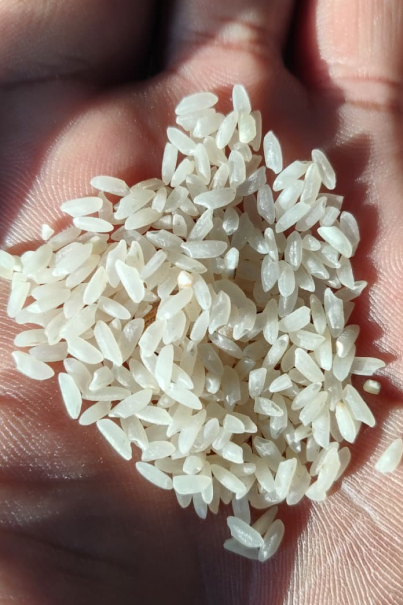
In recent years, people have started moving back toward traditional and natural foods, and among them, kala namak rice has gained significant attention. Known for its distinct aroma, rich nutritional profile, and cultural heritage, this ancient rice variety is now being recognized as a superfood for modern lifestyles.
Kala namak rice is not just another grain—it is a heritage food deeply rooted in Indian agriculture and wellness. In this blog, we’ll explore what kala namak rice is, its health benefits, nutritional value, uses, and why it deserves a place in your daily diet.
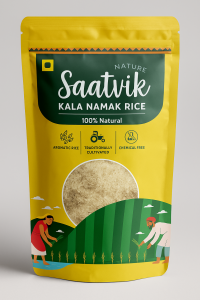 What Is Kala Namak Rice?
Kala namak rice is a traditional aromatic rice variety native to the Terai region of eastern Uttar Pradesh, India. It has been cultivated for centuries and is often referred to as the “Buddha Rice” because it is believed that Lord Buddha was offered this rice during his travels.
The name “kala namak” comes from:
- “Kala” meaning black
- “Namak” meaning salt
This refers to the rice’s dark husk and naturally salty aroma, not added salt. Once cooked, the grains turn white but release a distinct fragrance similar to basmati, yet more earthy and traditional.
Kala namak rice also holds a Geographical Indication (GI) tag, making it a protected and authentic Indian heritage grain.
Nutritional Value of Kala Namak Rice
One of the main reasons kala namak rice is considered a superfood is its impressive nutritional profile. Compared to polished white rice, it retains more natural nutrients.
Key nutrients found in kala namak rice include:
- Complex carbohydrates for sustained energy
- High dietary fiber
- Iron and zinc
- Magnesium and potassium
- Essential amino acids
- Antioxidants
Because it is traditionally grown and minimally processed, kala namak rice preserves its natural goodness, making it a healthier alternative to refined rice varieties.
Health Benefits of Kala Namak Rice
1. Supports Digestive Health
Kala namak rice is rich in dietary fiber, which helps improve digestion, prevents constipation, and supports gut health. It is especially beneficial for people who experience bloating or irregular digestion.
2. Beneficial for Diabetics
With a low to moderate glycemic index, kala namak rice helps regulate blood sugar levels when consumed in controlled portions. It releases glucose slowly, preventing sudden sugar spikes.
3. Boosts Energy Naturally
The complex carbohydrates in kala namak rice provide long-lasting energy, making it ideal for active individuals, children, and those with physically demanding routines.
4. Rich in Antioxidants
Kala namak rice contains natural antioxidants that help fight free radicals, reduce inflammation, and support overall cellular health.
5. Supports Heart Health
The presence of magnesium and potassium helps regulate blood pressure, while fiber supports healthy cholesterol levels—contributing to better heart health.
6. Helps Improve Immunity
With essential minerals like iron and zinc, kala namak rice supports immune function and helps maintain overall vitality.
Why Kala Namak Rice Is Considered a Superfood
A superfood is defined by its nutrient density, natural origin, and health-enhancing properties—and kala namak rice checks all these boxes.
Here’s why it stands out:
- Naturally aromatic without additives
- Traditionally cultivated without heavy chemical processing
- Nutrient-rich compared to polished white rice
- Supports holistic health (digestion, energy, immunity)
- Sustainable and eco-friendly crop
Unlike modern hybrid rice varieties, kala namak rice maintains its ancient purity, making it a smart choice for health-conscious consumers.
Culinary Uses of Kala Namak Rice
Kala namak rice is extremely versatile and can be used in everyday as well as festive cooking.
Popular Uses Include:
- Steamed rice served with dal, vegetables, or curry
- Pulao and biryani for a rich aroma
- Khichdi for a wholesome, comforting meal
- Fried rice with vegetables and mild spices
- Rice bowls for healthy lunch options
Its natural fragrance enhances dishes even with minimal spices, making it ideal for both traditional and modern recipes.
How to Cook Kala Namak Rice
Cooking kala namak rice is simple and similar to other aromatic rice varieties.
Basic Cooking Method:
- Rinse the rice gently 2–3 times
- Soak for 30 minutes (optional but recommended)
- Use a 1:2 ratio of rice to water
- Cook on low flame until grains are soft and fluffy
Avoid overcooking to preserve the aroma and texture.
Who Should Include Kala Namak Rice in Their Diet?
Kala namak rice is suitable for:
- Health-conscious individuals
- Diabetics (in moderation)
- Children and elderly people
- Fitness and yoga practitioners
- Anyone looking for natural, traditional food options